Coastal Roof Installation in Palm Beach Gardens: Choosing Materials That Survive Salt Air
If your home sits within a mile or two of Biscayne Bay or the ocean, in neighborhoods like Bay Harbor Islands, Surfside, Keystone Point, or the eastern streets of Palm Beach Gardens, your roof lives in a corrosive environment that inland roofs never face. Salt aerosol rides the onshore breeze, settles on every surface, and goes to work on metal components day and night. A coastal roof installation that ignores this reality can show premature failure in half its expected lifespan.
The good news: material science has answers. You just have to specify them deliberately.
What Salt Air Actually Does to a Roof
Salt does not usually attack the visible roofing surface first. It attacks the components holding everything together:
- Fasteners. Standard electro-galvanized nails and screws can rust within a few years near the coast, losing holding power and staining surfaces.
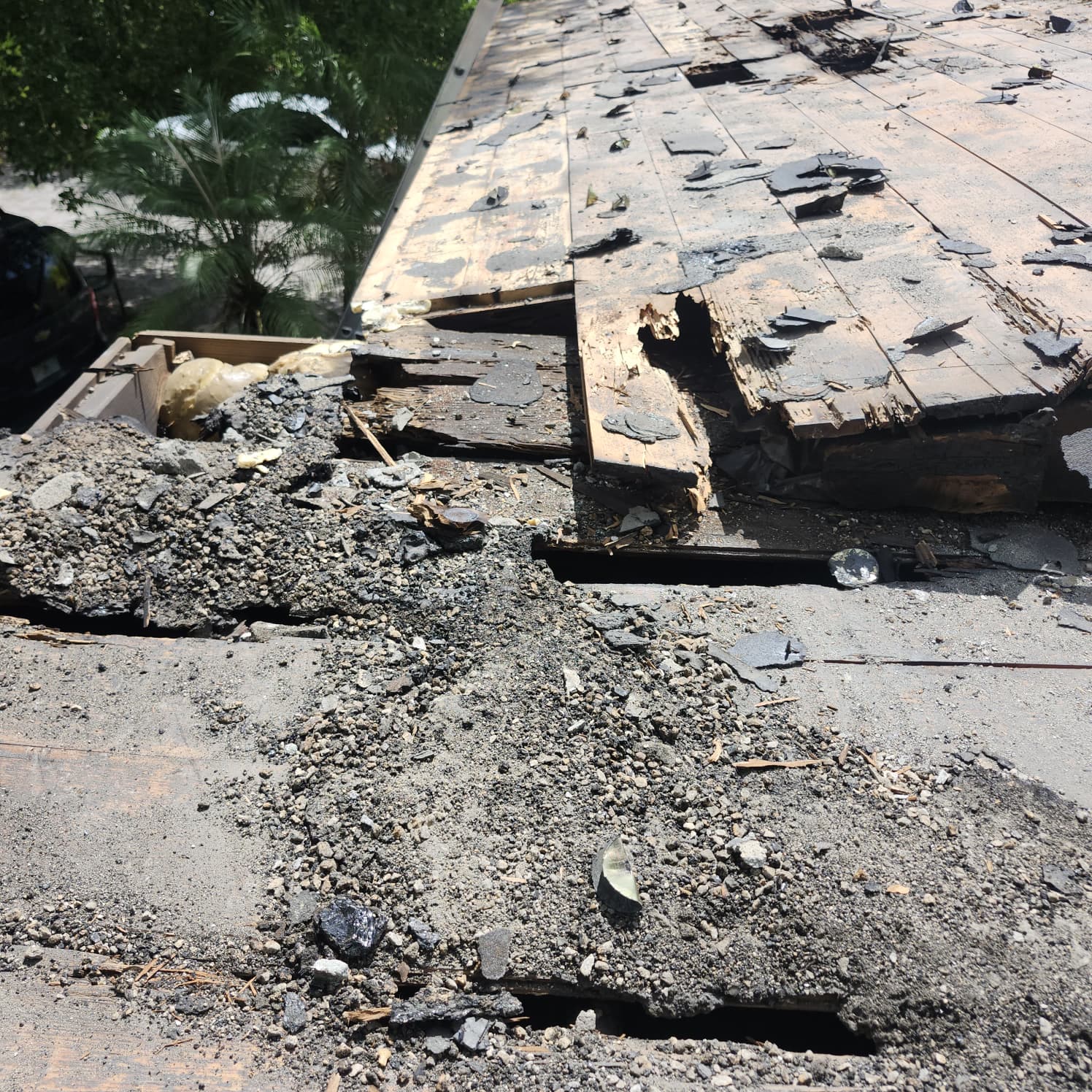
- Flashing. Galvanized steel flashing corrodes at edges, seams, and nail holes, opening leak paths at chimneys, walls, and valleys.
- Edge metal and drip edge. The perimeter metals take direct wind-driven salt exposure.
- AC equipment and vents. Anything metal on the roof ages faster, and failing equipment curbs become leak sources.
- Exposed fastener metal roofs. Washer and screw-head corrosion accelerates dramatically in salt zones.
Meanwhile, the salt-laden moisture combines with our humidity to keep surfaces damp longer, extending the daily corrosion window.
A coastal roof installation succeeds or fails on material selection.
Material Choices Ranked for Coastal Exposure
Metal roofing: aluminum wins near the water
For homes in direct salt exposure, aluminum standing seam is the premium coastal choice. Aluminum does not rust, and with a quality PVDF (Kynar-type) finish it resists chalking and fading for decades. Galvalume steel performs well a bit further inland but needs careful edge and cut protection near the bay. All fasteners and clips should be stainless steel, mixing metals invites galvanic corrosion.
Tile: naturally salt-immune, with a caveat
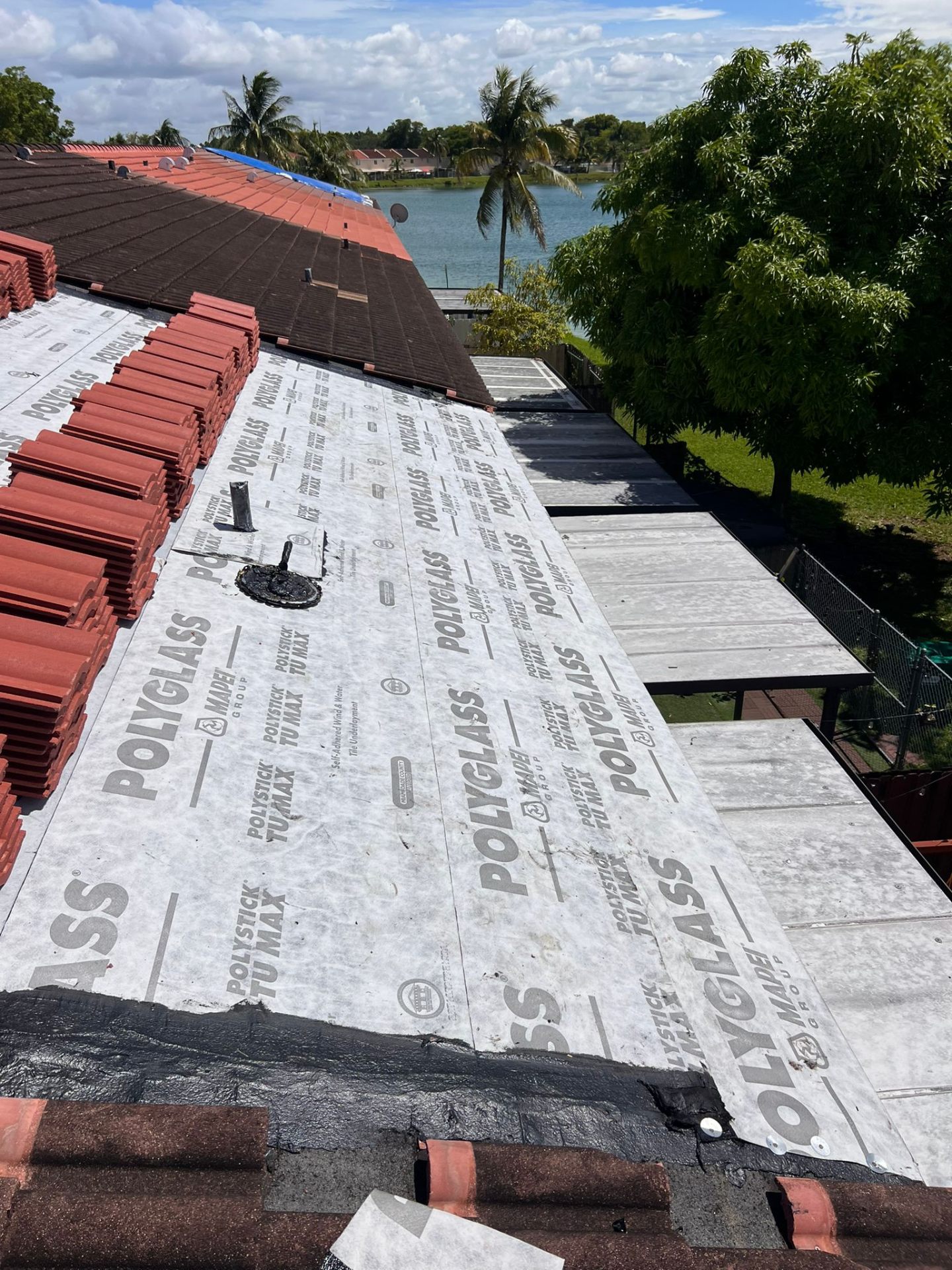
Clay and concrete tile are essentially unaffected by salt air, which is one reason they have dominated coastal South Florida architecture for a century. The caveat is everything beneath and around them: specify stainless or hot-dipped galvanized fasteners, corrosion-resistant flashing metals, and a premium self-adhered underlayment.
Shingles: choose the right grade
Architectural shingles themselves tolerate salt air reasonably well. The granule surface is ceramic. The vulnerabilities are the fasteners and flashing. If you choose shingles for a coastal home, insist on corrosion-resistant fasteners and upgraded flashing metals, and understand that lifespan near the water may run shorter than the same roof ten miles inland.
The Flashing and Fastener Specification That Matters Most
This is where coastal installations succeed or fail, and it rarely appears in a one-page quote. Ask your contractor specifically about:
| Component | Inland Standard | Coastal Upgrade |
|---|---|---|
| Fasteners | Electro-galvanized | Stainless steel or hot-dipped galvanized |
| Drip edge / edge metal | Galvanized steel | Aluminum or stainless |
| Valley and wall flashing | Galvanized or painted steel | Aluminum, copper, or stainless |
| Pipe boots | Standard neoprene | UV-stabilized or lead alternatives |
| Vent caps and accessories | Galvanized | Aluminum or powder-coated |
These upgrades add modest cost to a full installation and pay for themselves many times over in avoided corrosion repairs.
Maintenance Multiplies Material Lifespan
Even the best coastal specification benefits from simple habits:
- Rinse the roof occasionally. A gentle freshwater rinse once or twice a year removes salt accumulation, especially on metal roofs. Avoid pressure washing tile or shingles.
- Inspect metal components annually. Catching early corrosion on a vent cap or flashing is a minor roof repair; finding it after it leaks into the decking is not.
- Keep gutters clear. Salt plus trapped organic debris creates a corrosive sludge that eats gutter and edge metal. Properly maintained gutters protect the whole roof edge.
- Watch the AC equipment. Condenser cabinets rust fast near the coast; a failing unit base can damage the roof membrane or shingles beneath it.
Frequently Asked Questions
How close to the water does "coastal" begin?
Corrosion rates are highest within roughly a half mile of open salt water, but meaningful salt exposure extends two to three miles inland depending on prevailing breezes and how open the terrain is. If you can smell the bay from your yard, specify for coastal conditions.
Is a metal roof a bad idea near the ocean?
Quite the opposite. Aluminum standing seam is one of the best coastal roofs available. What fails near the ocean is the wrong metal: bare or lightly galvanized steel with standard fasteners. Material and fastener selection make all the difference.
Does salt air void manufacturer warranties?
Some manufacturer warranties have coastal-exposure exclusions or reduced terms within a stated distance of salt water. Read the warranty document before choosing a product, and ask your contractor which products carry full coastal warranty coverage.
Can I upgrade my existing roof's corrosion resistance?
Partially. Corroded flashing, pipe boots, and vent caps can be replaced with upgraded metals, and a protective coating can extend some systems. But fasteners buried in the existing installation cannot be swapped, which is why getting the specification right at installation matters.
Build for the Environment You Actually Live In
A coastal Palm Beach Gardens roof is a system, and every component in it needs to match the salt-air reality. PSR Roofing Company Of Palm Beach Gardens installs roofing systems across Palm Beach Gardens's bayside and coastal neighborhoods with corrosion-resistant specifications as standard practice, not an upsell. Call us to discuss the right materials for your home's exact exposure.
PSR Roofing Company Of Palm Beach Gardens Palm Beach Gardens, FL Phone: (728) 221-5642, Open 24 Hours, 7 Days a Week Find us on Google Maps
Continue Reading in This Series
Need help with Roof Installation?
PSR Roofing is Palm Beach Gardens's licensed & insured expert for roof installation. Free estimates, honest pricing, and 24/7 emergency response.