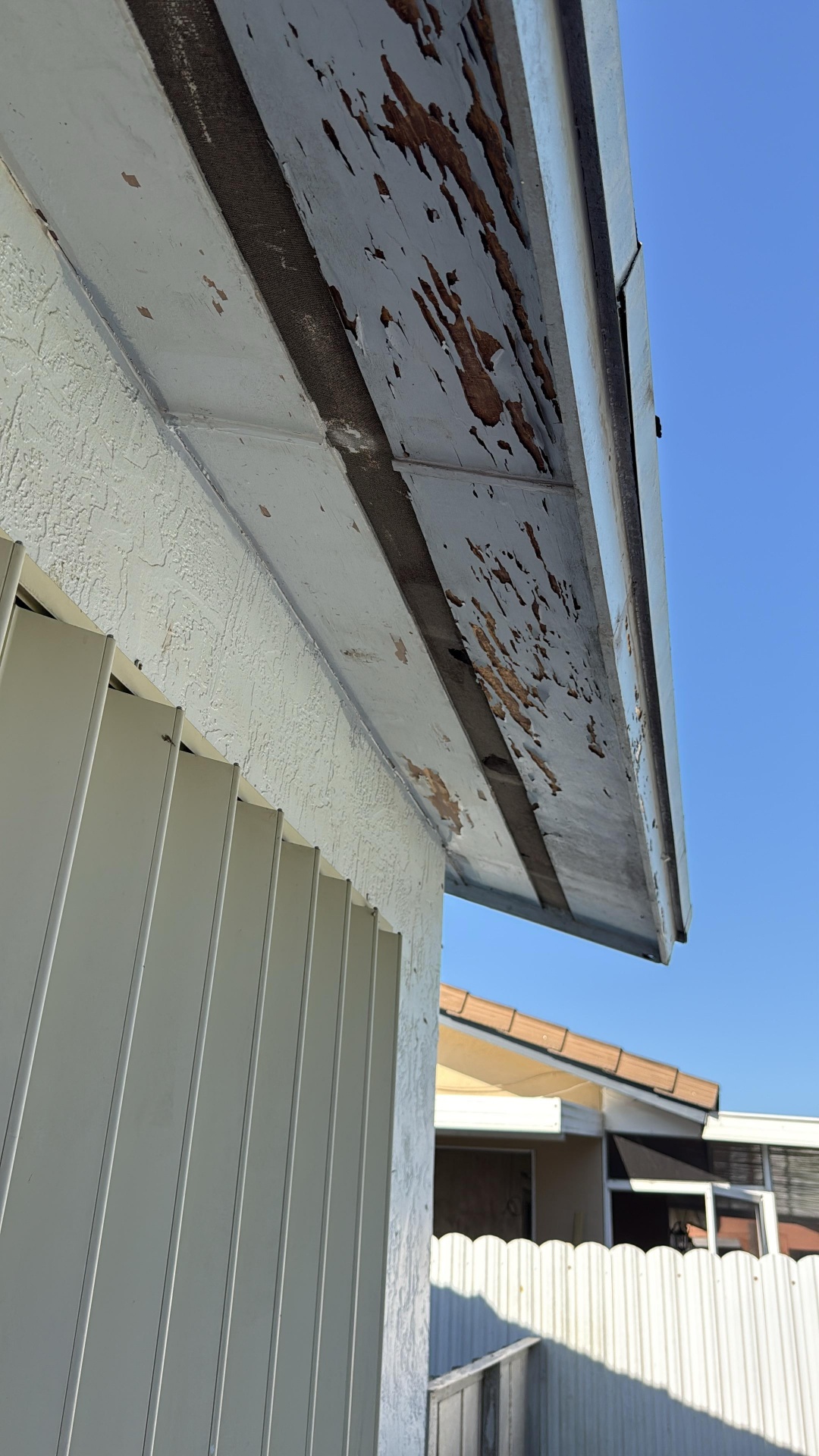
Fascia and Soffit Roof Repair in Palm Beach Gardens: What Rot at the Roof Edge Is Telling You
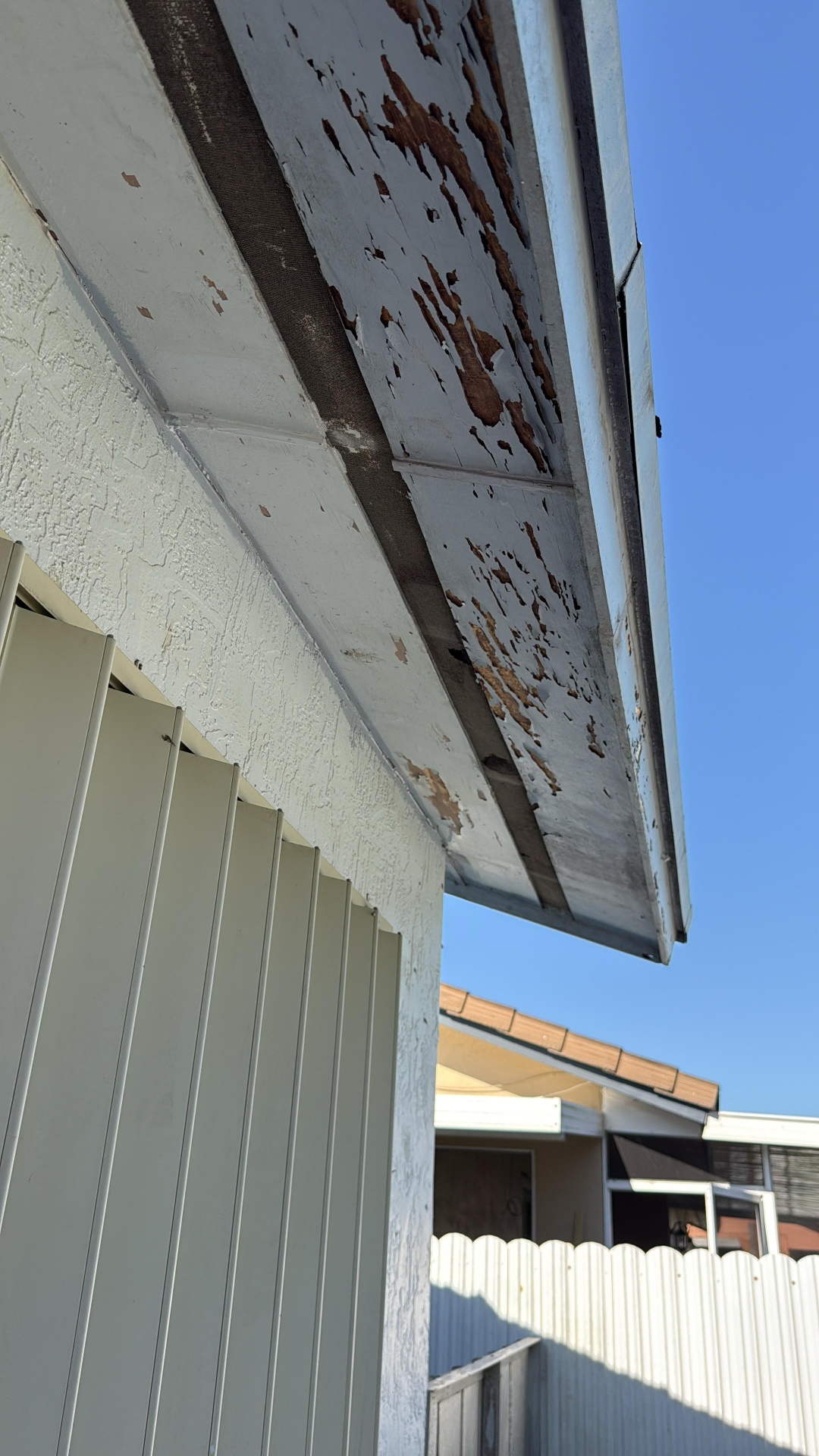
Peeling paint along the roofline looks cosmetic until a gutter begins to sag or a soffit panel falls. The fascia, the vertical board behind the gutter, and the soffit beneath the eave sit at the end of the roof’s drainage system. When they deteriorate, the cause is often above or behind them: a failed drip edge, water backing out of a gutter, a short roof covering, or wind-driven rain entering the eave.
Replacing visible trim without correcting that path creates a clean-looking problem that returns after the next wet season. Effective roof repair starts by tracing moisture from the roof edge inward and checking whether the deck, rafter tails, ventilation openings, and gutter attachment are still sound.
What Fascia and Soffit Actually Do
Fascia creates a finished edge and provides the mounting surface for many gutter systems. It also helps close the end of the roof structure. Soffit covers the underside of the eave and, when vented, supplies intake air to the attic.
Neither component is intended to serve as the roof’s primary waterproofing. If either remains wet, another part of the assembly is misdirecting water. Painting over decay or wrapping damp wood in aluminum can hide the evidence while the structure continues to soften.
Five Clues That Point to More Than Cosmetic Damage
1. Paint Fails in One Concentrated Area
Uniform fading can be age. Peeling directly below a valley, roof-to-wall intersection, or gutter seam suggests recurring moisture from above.
2. The Gutter Pulls Away
Loose spikes or hidden hangers may be a fastening issue, but fasteners that no longer hold often indicate softened fascia. The gutter then tilts backward and sends more water behind itself, accelerating the cycle.
3. Soffit Panels Stain or Sag
Brown staining, swollen fiber-cement panels, or displaced aluminum soffit can indicate an eave leak. It can also signal attic condensation or animal entry, so diagnosis should include both sides of the assembly.
4. Birds, Insects, or Rodents Enter the Eave
Decay opens gaps. Pest activity may be the first visible sign that fascia or soffit attachment has failed, particularly around roof returns and corners.
5. Interior Damage Appears at the Top of an Exterior Wall
Water entering at the drip edge can follow the wall plate rather than stain the ceiling center. This pattern is common when wind drives rain beneath a poorly integrated edge metal.
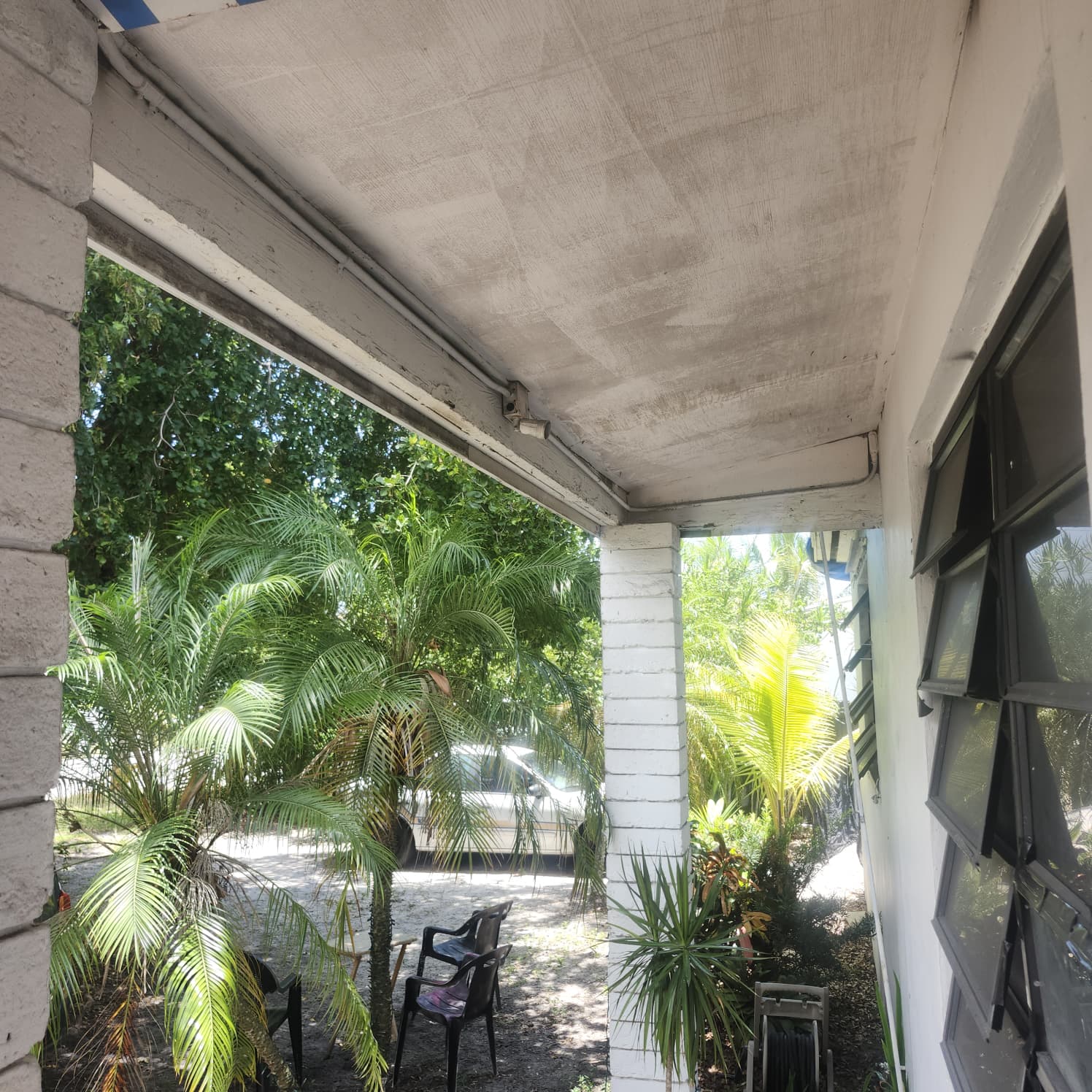
Where Roof-Edge Leaks Begin
| Cause | What happens | Corrective direction |
|---|---|---|
| Failed or missing drip edge | Water curls behind the edge and wets fascia | Rebuild edge layers and integrate approved metal |
| Clogged or undersized gutter | Water overtops or backs under the roof edge | Restore drainage and verify fascia condition |
| Valley discharge at the eave | Concentrated runoff overshoots or floods one section | Correct valley termination and gutter capacity |
| Short or damaged underlayment | Secondary drainage stops before reaching the edge | Open the eave and restore membrane continuity |
| Lifted first shingle/tile course | Wind-driven rain reaches nail holes and deck edge | Reset or replace covering with correct attachment |
| Condensation at blocked soffits | Moist attic air wets the sheathing and eave | Restore balanced intake and exhaust ventilation |
Homes under mature trees in Jupiter, Biscayne Park, El Portal, and Palm Beach Gardens often collect leaf debris at exactly these transitions. Waterfront properties in Keystone Point and Sans Souci add salt exposure that can corrode edge metal and gutter fasteners.
What a Complete Repair Includes
A proper scope separates demolition, structural repair, roof restoration, ventilation, and drainage:
- Remove the gutter or trim necessary to expose the damaged area.
- Identify and correct the water-entry point before replacing wood.
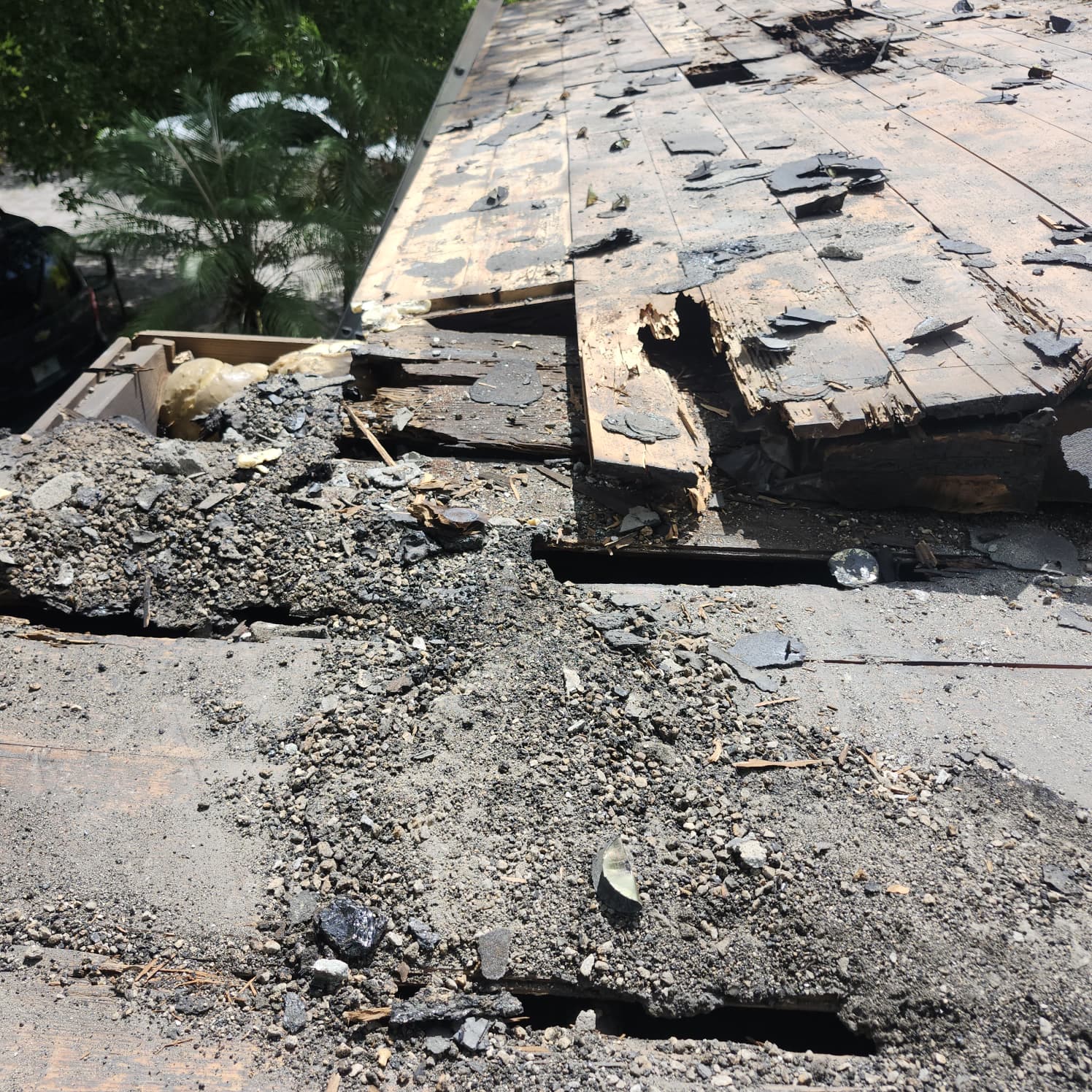
- Remove decayed fascia, soffit backing, deck edge, or rafter-tail material as required.
- Treat replacement as structural work when attachment points are affected.
- Restore underlayment and drip edge in the correct overlap sequence.
- Reinstall vented soffit without blocking attic intake.
- Rehang the gutter with correct pitch and secure attachment into sound material.
- Photograph concealed work before new trim covers it.
This is where roofing and gutter installation frequently overlap. One contractor does not necessarily need to perform every trade, but responsibility for each layer should be clear in writing.
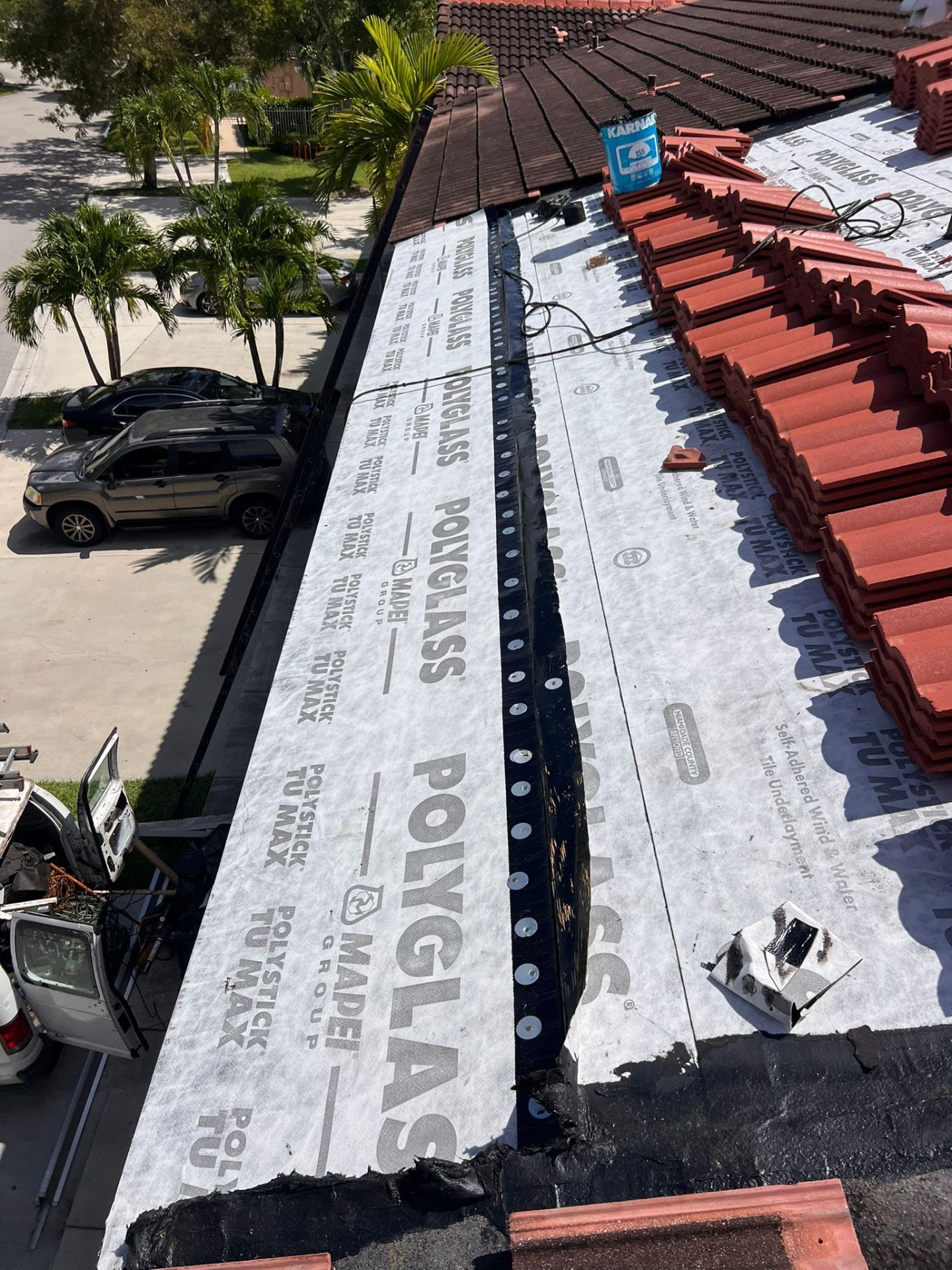
Can You Replace Fascia Without Replacing the Roof?
Yes, when damage is localized and the adjacent roof layers can be lifted and restored without compromising a brittle or exhausted system. The repair may involve only several feet of edge. However, new fascia cannot compensate for deteriorated underlayment across a larger plane or a valley that continues to discharge behind the gutter.
A qualified assessment should distinguish among trim replacement, gutter correction, ventilation work, and roofing work. That prevents the homeowner from paying three separate contractors to address three symptoms of one defect.
Why Ventilation Must Be Preserved
Vented soffit is part of attic airflow. Covering every opening to stop pests or rain can raise attic temperature and trap moisture. Replacement panels should maintain the designed net-free ventilation area, and insulation should not block the intake path. If widespread condensation is present, a formal roof inspection can evaluate intake, exhaust, insulation, and roof-deck condition together.
Frequently Asked Questions
Do roofers repair fascia and soffit?
Many roofing contractors repair these components when damage is connected to the roof edge. Ask whether carpentry, finish work, painting, and gutter removal are included in the written scope.
Can rotted fascia hold a new gutter?
No. New hangers require sound material. Attaching them to decayed wood produces a temporary installation and can lead to sudden gutter separation during heavy rain.
Why is only one corner of my soffit damaged?
Corners concentrate valley runoff and often contain complicated edge details. A localized defect, blocked gutter outlet, or failed roof return may keep that one area wet.
Should damaged wood be wrapped in metal?
Only sound, dry material should be covered. Wrapping rot conceals it and restricts drying; it does not restore structural strength.
Continue This Roof Repair Series
For the transition details above the eave, read roof flashing repair in Palm Beach Gardens. Next, learn how termite tenting can damage tile roofs and how to document the condition correctly.
Repair the Cause Behind the Damaged Trim
PSR Roofing Company Of Palm Beach Gardens evaluates roof-edge leaks, fascia deterioration, soffit damage, and gutter-related water paths across Palm Beach County. Our goal is to identify the upstream cause and provide a repair scope that leaves the entire edge working together.
Call (728) 221-5642 or request a roof-edge repair assessment.
Visit us: Palm Beach Gardens, FL
Need help with Roof Repair?
PSR Roofing is Palm Beach Gardens's licensed & insured expert for roof repair. Free estimates, honest pricing, and 24/7 emergency response.