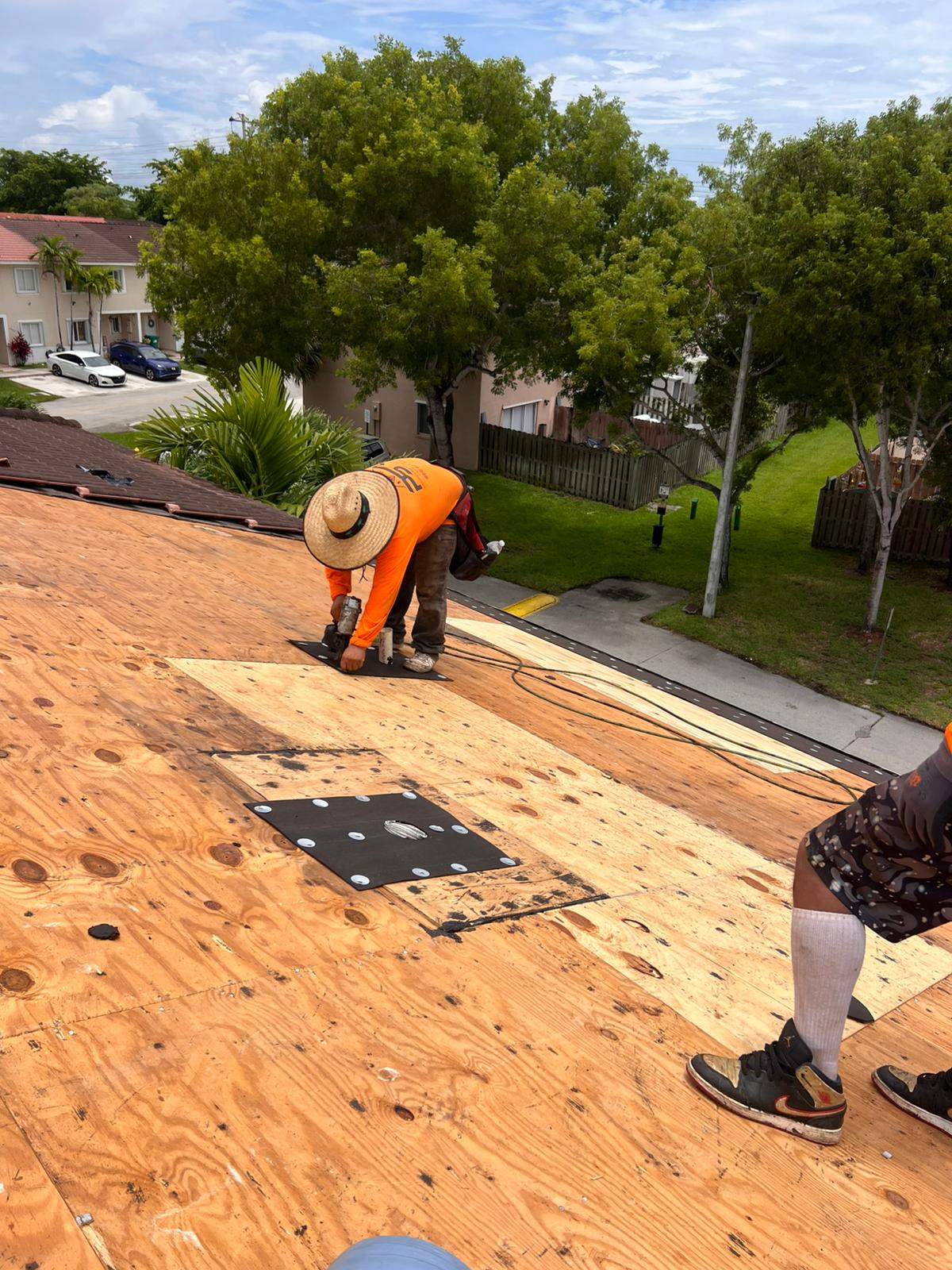
Roof Repair After Termite Tenting in Palm Beach Gardens: Broken Tiles, Liability, and the Inspection You Need
Structural fumigation is common in South Florida, especially in older homes with drywood termite activity. It also creates an unusual roofing risk. Large tarps must be pulled over ridges, hips, vents, and roof edges, then weighted and sealed around the building. On a tile roof, that movement can crack brittle pieces, dislodge ridge components, bend flashing, or disturb an older repair that was already vulnerable.
The safest approach is not to assume damage will occur. It is to establish the roof’s condition before work begins and verify it immediately after the tent comes down. If something changed, a focused roof repair can be based on evidence rather than competing memories of what the roof looked like.
Why Tile Roofs Are Vulnerable During Fumigation
Concrete and clay tiles are durable while supported in their installed position, but they are not designed for concentrated foot pressure or heavy fabric dragging across exposed edges. Risk rises when:
- Tiles are older, weathered, or already hairline-cracked
- The profile has high barrels that create obvious pressure points
- Mortared ridges or hips are brittle
- Tarps are pulled around antennas, solar equipment, or tall vents
- Sandbags or clamps are placed on unsupported tile edges
- Crews use the same access path repeatedly
Damage can remain invisible from the ground. A tile may crack beneath an overlap while staying in place, or a fastener may loosen without moving the tile immediately. The next wind-driven rain reveals the problem weeks later.
Before Tenting: Build a Fair Condition Record
Schedule a roof review close enough to the fumigation date that the record reflects current conditions. A useful pre-tent report should include:
- Wide photographs of every roof plane. These establish location and overall condition.
- Close photographs of ridges, hips, valleys, vents, flashings, and prior repairs. These are the areas most likely to be disturbed.
- A count and map of existing broken or slipped tiles. Pre-existing defects should be identified plainly.
- Interior and attic observations. Note any old stains and whether moisture is active.
- Date, address, and inspector information. Unlabeled photos are difficult to use in a later conversation.
A documented roof inspection protects everyone. It gives the fumigation company a clear starting condition, prevents old damage from being misattributed, and gives the homeowner a baseline for comparison.
Questions to Ask the Fumigation Company
Before signing, ask how the crew handles tile roofs and what its agreement says about breakage. Useful questions include:
- Will the crew walk designated paths or use roof-protection measures?
- How will tarps be moved around solar panels, satellite mounts, skylights, and vents?
- Where will weights or clamps be placed?
- Who should be contacted if tiles are broken?
- What photographs does the company take before and after installation?
- Does its insurance address property damage caused during setup and removal?
Do not rely on a verbal assurance that “a few broken tiles are normal.” The contract controls the process, and exclusions should be understood before the building is enclosed.
After the Tent Comes Down
Perform the post-tent inspection as soon as the property is cleared for entry and before a major rain if scheduling allows. The comparison should cover the same viewpoints as the original report.
| Area | What to check |
|---|---|
| Ridge and hips | Cracked caps, displaced mortar, open closures |
| Field tiles | New fractures, chips, sliding, lifted corners |
| Valleys | Debris, displaced cut tiles, bent metal |
| Vents and pipes | Bent caps, cracked boots, separated sealant |
| Eaves | Shifted first course, bent drip edge, fascia marks |
| Interior | New dust trails, daylight, stains, or damp insulation |
Avoid walking the roof yourself. Tile breakage can increase under inexperienced foot placement, making it harder to determine which damage occurred during tenting and which happened during the homeowner’s inspection.
What Correct Post-Tenting Roof Repair Looks Like
Replacing a visible tile is only part of the job. The contractor should lift surrounding pieces carefully, inspect the attachment and underlayment, remove fragments, and determine whether the impact punctured the membrane below. Compatible replacement tiles must be secured using an approved method for the existing system.
Ridge and hip damage may require more than replacing a cap. A displaced piece can expose closures or disturb adjacent mortar. Vent or flashing damage should be rebuilt as a layered detail rather than covered with surface sealant.
If water is actively entering after fumigation, protect the interior and call for emergency roofing. Preserve photographs before temporary stabilization, but do not delay mitigation while debating responsibility.
Who Pays for Damage?
Responsibility depends on the contracts, documented pre-existing condition, cause, and applicable insurance. A roofing contractor can describe the physical damage and repair scope but should not decide legal liability. Keep the fumigation agreement, inspection reports, dated photographs, emails, invoices, and any removed material that the parties agree should be retained.
A calm, evidence-based process works better than starting with an accusation. First establish what changed, then obtain a written repair scope, notify the fumigation company promptly, and follow the claim procedure in the agreement.
Frequently Asked Questions
Should I replace cracked tiles before termite tenting?
Repair active openings and unstable pieces first, but document every existing condition. Ask the roofer and fumigation company to coordinate if a fragile roof needs special access planning.
Can a tarp damage a metal or shingle roof too?
Yes. Fasteners, sharp panel edges, soft shingles, antennas, and penetrations can be disturbed. Tile is especially vulnerable to point loading, but every roof type benefits from before-and-after documentation.
How soon should the roof be checked afterward?
As soon as access is safe and practical. Early inspection preserves evidence and allows exposed underlayment or displaced components to be corrected before the next storm.
What if the matching tile is no longer made?
Document the manufacturer, profile, dimensions, and color before selecting a substitute. The next article explains how repairability changes when a roof tile has been discontinued.
Continue This Roof Repair Series
Previous: fascia and soffit roof repair at Palm Beach Gardens roof edges. Next: how to handle discontinued roof tiles and matching.
Document the Roof Before and After Tenting
PSR Roofing Company Of Palm Beach Gardens provides tile-roof condition reports and targeted repairs for homes in Palm Beach Gardens, Jupiter, Coral Gables, Pinecrest, Coconut Grove, and communities throughout Palm Beach County.
Call (728) 221-5642 or schedule a pre- or post-fumigation roof repair assessment.
Visit us: Palm Beach Gardens, FL
Need help with Roof Inspection?
PSR Roofing is Palm Beach Gardens's licensed & insured expert for roof inspection. Free estimates, honest pricing, and 24/7 emergency response.